
February marks American Heart Month, making it the perfect time to shine a spotlight on the organ that keeps everything else running — your heart. Even though heart disease continues to be the number one cause of death in the United States, many of its risks can be lowered through mindful lifestyle choices and early detection. Unfortunately, long-standing myths often cloud the truth about what it really takes to maintain a healthy heart. Below, we break down some of the most common misconceptions so you can make informed decisions about your long-term well-being.
Myth #1: “I’m too young to have heart problems.”
Fact:
Your heart health matters at every age. Plaque buildup inside the arteries can begin surprisingly early — sometimes during childhood. With younger adults facing increasing rates of obesity and Type 2 diabetes, taking heart health seriously from the start is more important than ever. Staying active, eating nutrient-rich meals, and steering clear of tobacco can set the stage for a healthier future.
Myth #2: “I’d know if my blood pressure was high.”
Fact:
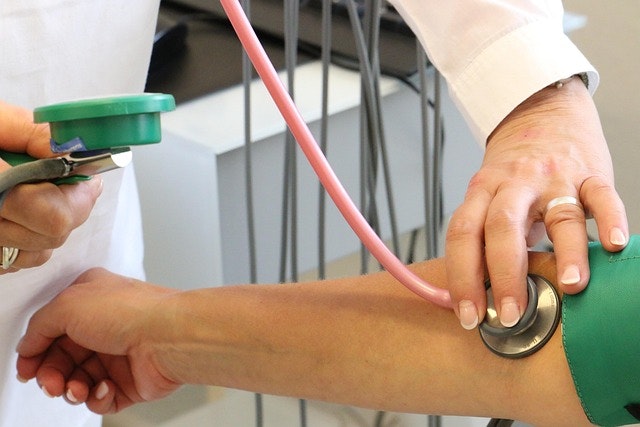
High blood pressure is often symptomless, which is why it has earned the nickname "the silent killer." While you may feel perfectly fine, elevated pressure can gradually harm your arteries and vital organs. The only dependable way to stay informed is through regular checks. Many pharmacies provide machines for quick readings, and your healthcare provider can include blood pressure assessments during routine appointments.
Myth #3: “Heart disease mainly affects men.”
Fact:
This condition does not discriminate. Heart disease is actually the leading cause of death for both men and women. However, women often experience symptoms that differ from the expected chest pain. Instead, they may notice nausea, shortness of breath, or discomfort in the jaw, neck, or back. Recognizing these less obvious signals can help women seek treatment earlier and improve their health outcomes.
Myth #4: “If heart issues run in my family, there’s nothing I can do.”
Fact:
Genetics play a role, but they don’t determine everything. Even if you have a family history of heart disease, your daily choices significantly influence your overall risk. Maintaining a balanced weight, choosing whole foods like fruits, vegetables, and whole grains, reducing or eliminating tobacco use, and finding healthy ways to cope with stress can all make a meaningful difference — regardless of your genetic background.
Myth #5: “Exercise isn’t safe after a heart problem.”
Fact:
Movement is often part of the healing process. With your doctor’s guidance, physical activity can help rebuild strength and confidence following a heart event. Structured programs such as cardiac rehabilitation are designed to support safe, gradual progress. While it’s essential to follow medical advice, don’t underestimate how powerful regular exercise can be for recovery.
Simple Preventive Steps You Can Start Now
The American Heart Association reports that as many as 80% of heart disease cases could be prevented through healthy behaviors. Here are ways to take control of your heart health today:
- Schedule routine screenings for cholesterol, blood pressure, and blood sugar.
- Focus on meals that include vegetables, fruits, lean protein sources, and heart-friendly fats.
- Commit to at least 150 minutes of moderate physical activity each week.
- Quit smoking — your likelihood of a heart attack drops by half within the first year.
- Find effective ways to manage stress through mindfulness, hobbies, prayer, or relaxation techniques.
How Insurance Can Support Preventive Care
Many insurance plans cover key preventive services at no added cost to you, including annual wellness visits, cholesterol screenings, and blood pressure checks. Some plans may also provide benefits like nutrition counseling or support for quitting smoking. Making use of these resources can help identify risk factors early and prevent more serious issues in the future.
Final Thoughts
While heart disease remains a serious health concern, most cases are preventable — and awareness is the first step. During this American Heart Month, take a moment to review your numbers, plan a health screening, or choose one simple habit that will benefit your heart. Consistent, small changes add up, and the actions you take today can lead to a stronger and healthier tomorrow.

Back-To-School Safety Reminders

Your August Guide to AEP Planning for a Smooth Medicare Enrollment

National Wellness Month - August - Types of Coverage

Why Employment Practices Liability Insurance Matters

Oral Health Month - June - A Strategic Time To Review Dental Benefits
Smart Ways To Use Preventive Care Before Summer

Stress Awareness Month: How Your Health Benefits Can Help You Manage Ongoing Stress

Smart Supplemental Add-Ons to Strengthen Your Health Insurance Coverage

Heart Health Myths Debunked: What Really Matters This American Heart Month

Plan to Maximize Your Benefits Before 2026

Empower Your Medicare Decisions This Enrollment Season

Medicare ANOC: Your Key to Navigating Open Enrollment
Read more
Enhance Vision Health During National Eye Exam Month
